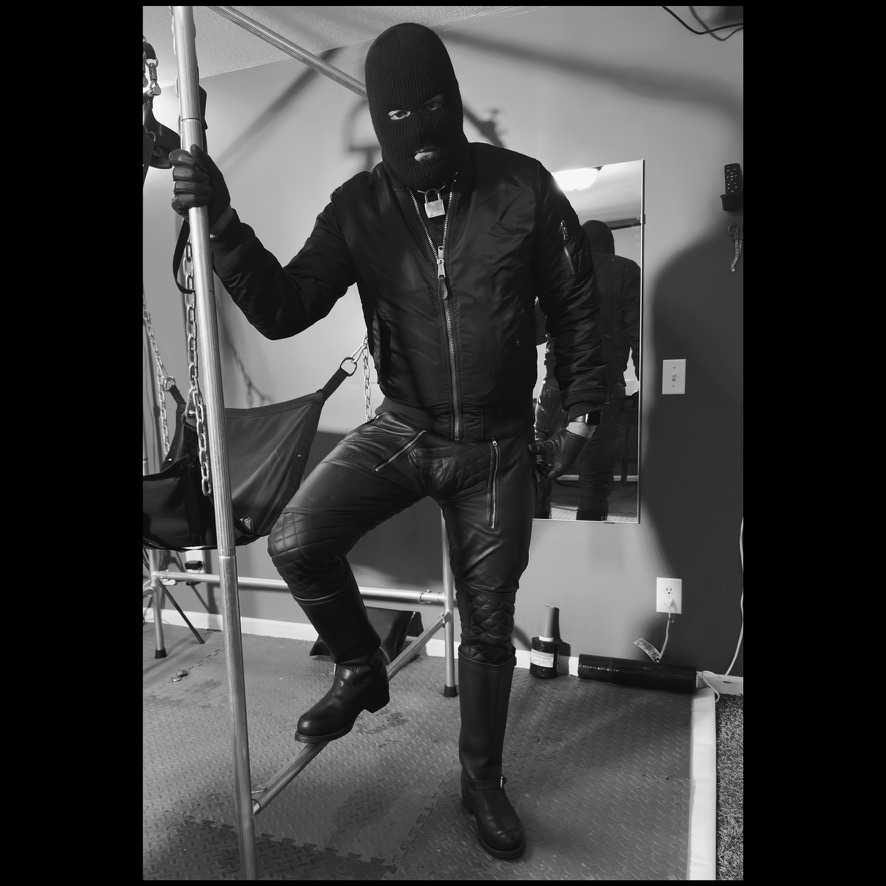
This gimp is a sadist, not a Dom.
That distinction took a surprisingly long time to sit right. For a while, the two seemed almost contradictory. Sadism and dominance get bundled together so often—in porn, in community shorthand, in the way people describe themselves on profiles—that gimp assumed wanting to hurt someone came bundled with wanting to control them, to own their decisions, to sit at the top of the hierarchy.
It doesn’t.
Until fairly recently, gimp thought it was something of an anomaly, a sadist who didn’t want the power that supposedly came with it and being “the dom.” Over the past few months, though, it’s become friends with an awesome dog wired remarkably the same way. Talking with him made gimp realize the combination isn’t nearly as strange as it had convinced itself it was.
The dog isn’t nearly as much of a masochist as gimp (he claims his pain tolerance is pretty low), but he gets that same thrill from being a sadist, and he enjoys being pushed toward it by his SIR or others within a structure (like a jail) rather than having to generate the permission himself.
Comparing notes with him was the first time gimp talked to someone who held both pieces—loving inflicting pain while not wanting to rule—without treating it as a contradiction that needed resolving. He didn’t need the distinction explained. He already lived inside it.
There’s a relief in that: not having to build the case for your own wiring from scratch, someone nodding before you finish the sentence instead of after you’ve justified it.
A lot of gimp’s sadism probably grows out of its masochism.
Gimp understands what pain can do to its head. It knows how pain overwhelms everything else, narrows the world to a single sensation, and pushes it into the place where thought goes quiet and the body is the only thing left talking.
Because it knows that experience from the receiving end, it’s developed an instinct for creating it in someone else: reading the shift in someone’s breathing, knowing the difference between the sound that means stop and the sound that means more, catching the exact moment someone stops performing a reaction and starts actually having one.
There’s something satisfying in recognizing that and knowing how to draw it out, not for credit, but because gimp understands, from the inside, exactly what it’s giving.
None of that makes gimp want authority over that person.
That’s the distinction it struggled with for a long time. Gimp loves being the sadist. It doesn’t particularly enjoy being the Dominant: negotiating terms, holding someone’s aftercare plan, deciding what they’re allowed to do next weekend, carrying the weight of being the person responsible for another person’s boundaries.
It wants to be handed a target, given a reason, and let loose.
Sadism describes something gimp enjoys doing. Dominance describes a kind of authority over another person: the responsibility of deciding, of holding someone’s yes and no.
Most of the time, though, getting to be sadistic means playing Dom by default, since that’s the only role the structure usually offers. Someone has to direct the scene, make the calls, occupy that position of authority. Gimp can do it, and sometimes it’s just the price of admission to the part it actually wants.
But the authority itself isn’t what excites it.
It’s a toll, not a destination.
SO DON’T ASK GIMP TO DOM YOU. THE ANSWER IS NO.
Its ideal role is something different.
Gimp wants to be Owner’s—or another Dominant’s—henchman.
That description clicked almost immediately. Gimp doesn’t want to be at the top of the hierarchy. It wants someone above it giving the orders while it’s trusted to carry them out. Trusted, not controlled: given a target and a reason and enough discretion to execute it well, the way a good henchman reads a situation instead of waiting on line-by-line instructions.
In the fantasy world inside its head, gimp is the violent skinhead or tactical thug one rung below the person actually in charge. There’s a submissive or willing “victim” in front of it, but that person isn’t gimp’s. It doesn’t want authority over their life, their limits, their aftercare.
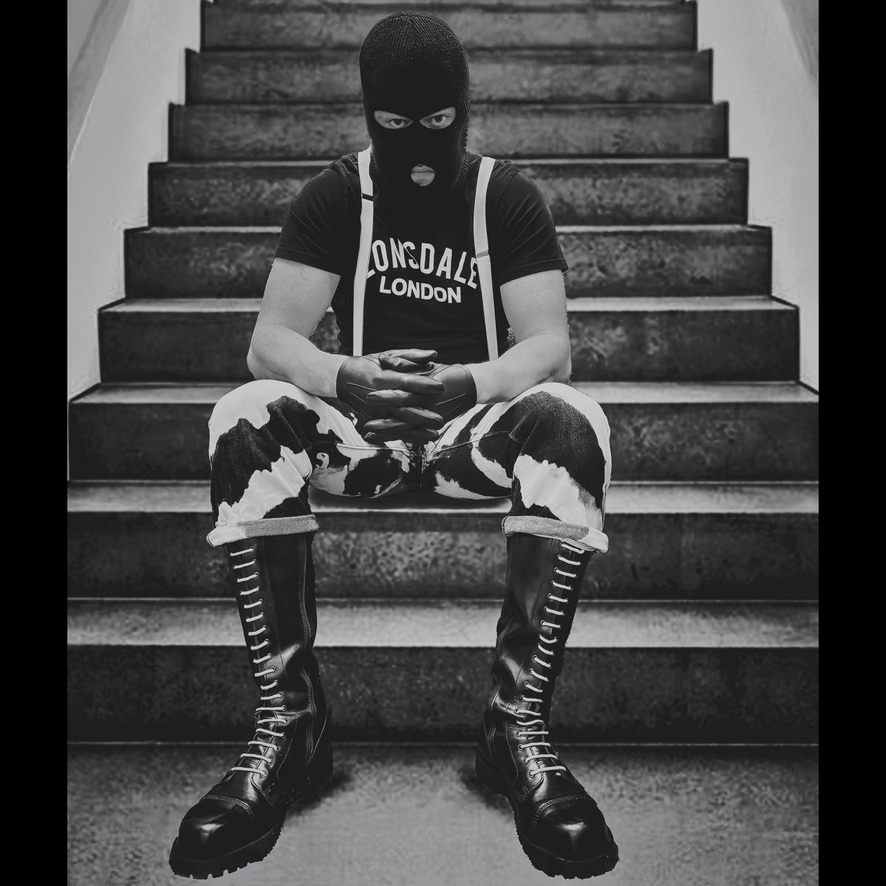
Someone above has already decided what happens next, already done the negotiating and the holding of consent. Gimp is just the tool making it happen: skilled, enthusiastic, and entirely unbothered by not being the one in charge.
Practically, that fantasy has a shape to it. It isn’t “Owner says hurt them and gimp does it robotically.” It’s Owner setting the frame—who, how far, what the scene is even about—and then stepping back enough that gimp gets to be genuinely inventive inside those walls.
The pleasure lives in that gap: knowing exactly what it’s allowed to do, and doing it with its whole being, no hesitation, because someone else already carried the weight of deciding it was okay.
Gimp doesn’t have to wonder if it’s allowed to enjoy this.
Owner already answered that.
All that’s left is the doing.
The authority belongs above it.
The sadism belongs to gimp.
Hannah Arendt once drew a line between two things people treat as synonyms: power and violence. Power, for her, isn’t something one person holds alone. It’s what exists when people act together, when there’s consent and legitimacy behind an action. Violence is just instrumental. A tool. It has no legitimacy of its own and doesn’t need any, because gimp was never making the decisions. Gimp only needed something outside itself to justify pointing its sadism somewhere.
That’s a fairly tidy description of what gimp wants out of a dynamic.
Owner holds the power: the negotiating, the consent, the part where someone actually decided this was okay.
Gimp is the violence.
Not in any grim, involuntary sense. It doesn’t need to be the one who decided anything to enjoy being pointed. It doesn’t want the legitimacy or the power. It wants to be the instrument that power gets aimed through.
Gimp isn’t smuggling authority in through the back door and pretending it doesn’t want it. It genuinely doesn’t. It wants someone else to carry the part that requires deciding, and it wants to keep the part that requires doing.
There’s something appealing about being subordinate and dangerous at the same time.
Submission doesn’t require gimp to be soft, passive, or harmless. It can kneel to someone above it while still being the person someone else absolutely does not want to see coming through their cell door.
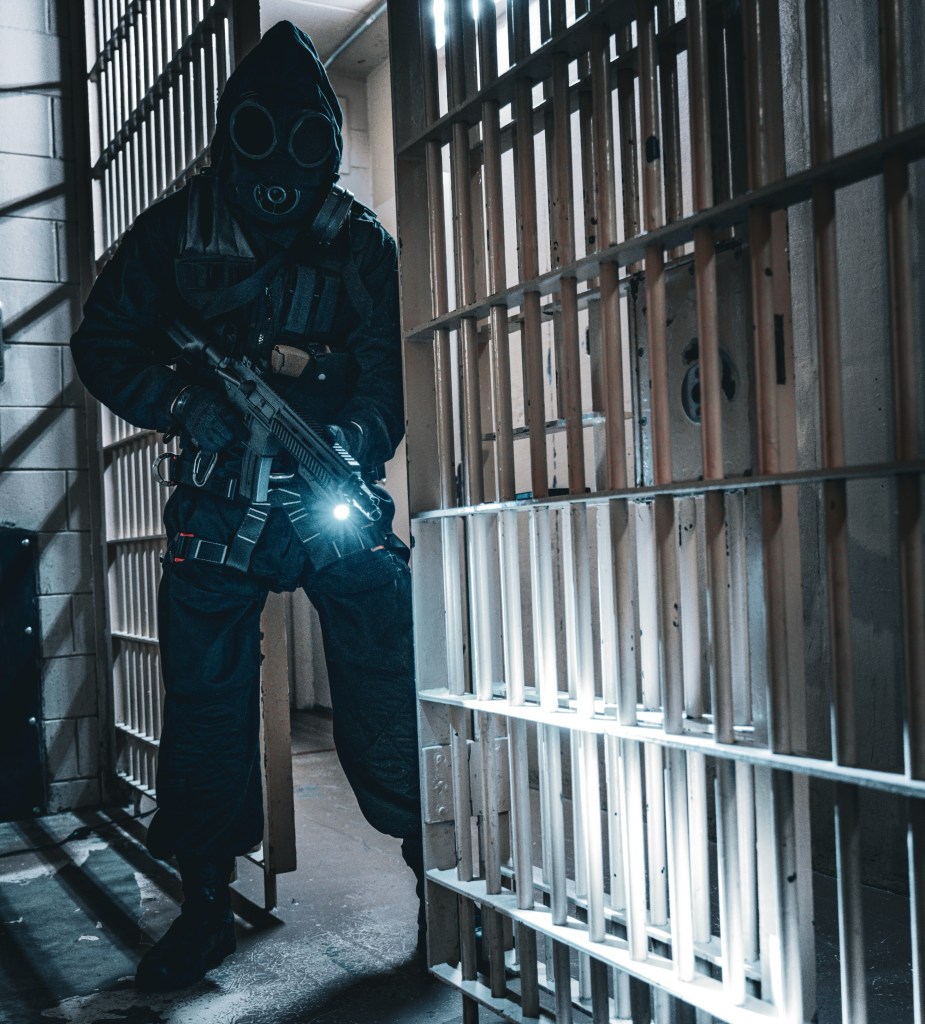
Being beneath someone makes it hotter, if anything. Gimp isn’t acting because it climbed to the top of some hierarchy and decided what everyone else should do. It’s the tool. The henchman. The nasty bastard a superior points in the right direction.
The danger is real, but it’s borrowed authority, not owned authority, and that borrowing is what makes it fun instead of heavy.
Separating sadism from dominance has made a lot of things in gimp’s head finally make sense, including why certain past dynamics felt subtly wrong even when nobody did anything wrong.
Being pushed toward the top of a hierarchy, even gently, even with good intentions, never fit.
Not a boundary violated.
Just a square peg in a round hole.
Gimp is submissive.
Gimp is a HUGE masochist.
And gimp is also a sadist.
Does it still want to be on the receiving end of that pain, that violence?
Emphatically, yes.
But it’s also happy being the instrument of it instead: carrying it out rather than absorbing it, aimed at someone else instead of aimed at itself.
Those things don’t cancel each other out. They aren’t competing answers to the same question.
They just explain where gimp belongs in the hierarchy—and what it wants to be doing once it gets there.

